The Anthropic AI Ultimatum: A Defining Moment for Military Ethics and Tech Partnerships
In a high-stakes standoff that has sent ripples through both the tech and defense sectors, the Pentagon has delivered a decisive Anthropic AI ultimatum, demanding adherence to its terms for the use of cutting-edge artificial intelligence in military applications. This escalating dispute with Anthropic, a prominent AI development company, spotlights a fundamental clash between the ethical "red lines" drawn by developers and the operational imperatives of national security. As the deadline loomed, the implications of this showdown extend far beyond a single contract, threatening to redefine the landscape of AI-government collaboration and military ethics.
At the heart of the conflict lies Anthropic's commitment to responsible AI development. Its CEO, Dario Amodei, articulated clear boundaries: no involvement in autonomous weapons systems where AI makes final targeting decisions without human intervention, and a strict prohibition against mass domestic surveillance of American citizens. These "red lines" reflect a growing concern within the AI community about the potential misuse of powerful technologies. However, the Pentagon, which has been utilizing Anthropic's technology in a $200 million pilot program, asserts that "legality is the Pentagon's responsibility as the end user" and that its operations always comply with the law. This divergence highlights a critical chasm between technological capability and ethical governance, with the Pentagon Labels Anthropic a 'Supply Chain Risk' Over AI Terms potentially escalating the situation dramatically.
Clashing Red Lines: Anthropic's Ethical Stance vs. Military Imperatives
Anthropic's position isn't unique; it mirrors a broader movement within Silicon Valley to ensure AI is developed and deployed ethically. The company's models, including Claude, are designed with safety and alignment at their core, making its refusal to compromise on these principles a natural extension of its corporate values. Their "good-faith conversations" with the Department of Defense, as described in their statement, aimed to "ensure Anthropic can continue to support the government's national security mission in line with what our models can reliably and responsibly do." This phrase is key, suggesting that Anthropic believes its models, while powerful, might not be "reliably and responsibly" capable of fulfilling military requests that cross their ethical thresholds, or that such applications themselves are inherently irresponsible.
Conversely, the Pentagon's perspective, as conveyed by officials, stresses the military's absolute need for flexibility and access to the most advanced tools to maintain a strategic edge. For a department focused on national security, any restrictions on technology deemed vital could be perceived as hindering readiness or capabilities. The tension here lies in how "responsible use" is defined: for Anthropic, it's about inherent ethical constraints on the technology's application; for the Pentagon, it's about adhering to legal frameworks while maximizing operational effectiveness. This disagreement sets a critical precedent, asking: can advanced AI genuinely serve national security without crossing ethical lines drawn by its creators?
The Pentagon's Heavy Hand: DPA and the "Supply Chain Risk" Threat
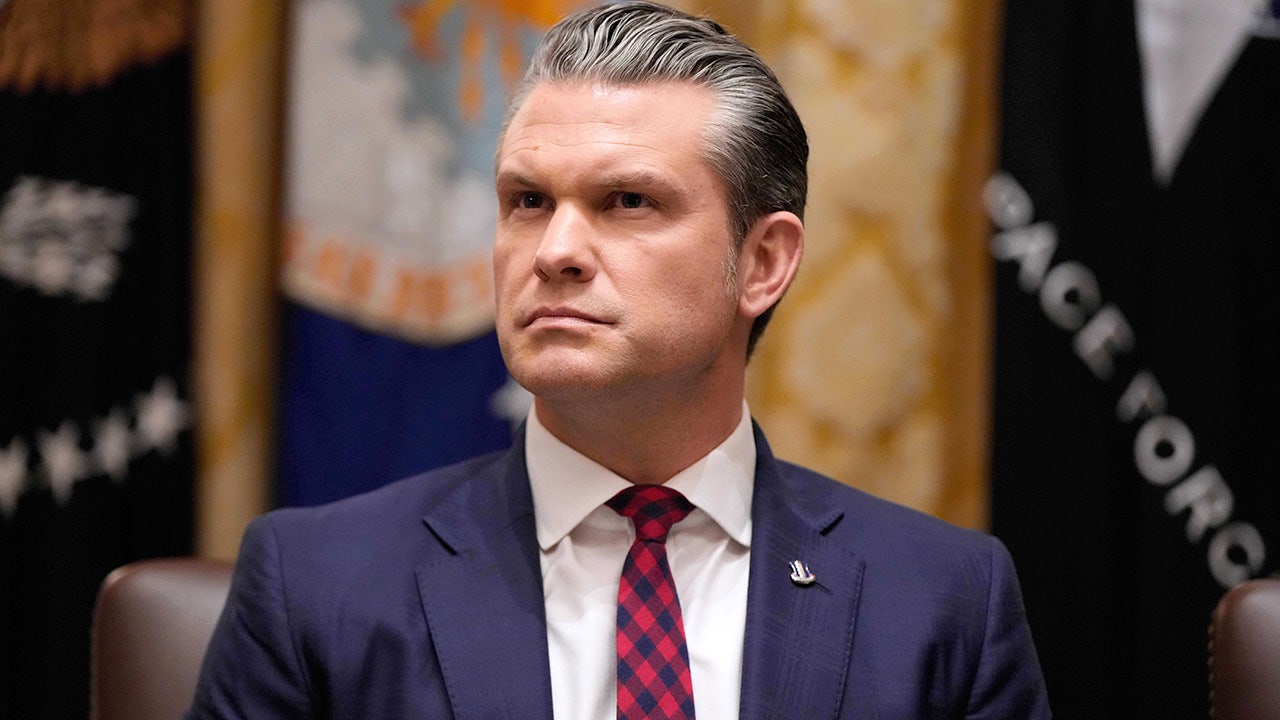
To enforce its demands, the Pentagon has invoked powerful, rarely used levers. Defense Secretary Pete Hegseth reportedly threatened to use the Defense Production Act (DPA), a Cold War-era law granting the president emergency authority to compel private companies to prioritize federal government orders. This act has been utilized in times of crisis, for instance, by President Donald Trump for ventilator production and by President Joe Biden during the COVID-19 pandemic for vaccine manufacturing. Its application here, to force an AI company to alter its ethical usage terms, would be an extraordinary and potentially unprecedented expansion of its scope.
Even more jarring is the threat to label Anthropic a "supply chain risk." This designation is typically reserved for foreign adversaries or entities with ties to them, effectively blacklisting a company from doing business with the Pentagon and its partners. For a U.S.-based AI innovator, such a label would not only halt current lucrative government contracts but also severely damage its reputation and future business prospects. As tech lawyers and AI policymakers have pointed out, this move is "incoherent" and "contradictory." It simultaneously demands access to Anthropic's technology while threatening to cripple the company, potentially chilling future partnerships between Silicon Valley and the government. It signals a willingness to weaponize administrative tools to enforce compliance, regardless of ethical objections, raising serious questions about the nature of future government-tech relationships.
Broader Repercussions: A Chilling Effect on AI-Government Collaboration
The Anthropic AI ultimatum is not an isolated incident. Anthropic is one of several companies, including Elon Musk's xAI, Google, and OpenAI, participating in the Pentagon's pilot program. While xAI's Grok is reportedly on board for classified use and others are close to agreement, Anthropic's resistance highlights the differing corporate philosophies regarding military engagement. The Pentagon's aggressive stance could have a profound "chilling effect" on other AI companies, particularly those founded on strong ethical principles.
Consider the potential outcomes:
- Increased Hesitancy: AI startups, wary of similar strong-arm tactics, might become more reluctant to engage with government contracts, especially in sensitive areas like defense. This could starve the military of cutting-edge innovations.
- Compromised Ethics: Companies might feel pressured to relax their ethical guidelines to secure lucrative government partnerships, leading to a race to the bottom in AI ethics.
- Regulatory Pushback: This dispute could galvanize calls for clearer federal guidelines and regulatory frameworks regarding AI procurement and ethical use in national security, protecting both companies and the public.
- Innovation Shift: Companies with ethical concerns might pivot entirely away from defense applications, focusing instead on commercial or non-profit sectors where their values are better aligned.
Navigating the Ethical Minefield: The Future of Military AI
This episode underscores the urgent need for a more sophisticated dialogue between technology developers and national security leaders. While the military requires robust AI capabilities, blindly pursuing technology without considering its ethical implications can lead to disastrous outcomes, both morally and strategically. The development of autonomous weapons systems, in particular, raises profound questions about accountability, control, and the very nature of warfare. Similarly, the specter of AI-powered mass surveillance erodes trust in government and civil liberties.
For AI policymakers and defense strategists, the Anthropic dispute offers several critical lessons and actionable insights:
- Establish Clear Guidelines: Proactive, transparent ethical guidelines for military AI procurement and deployment are essential. These should be developed collaboratively with input from tech companies, ethicists, and legal experts.
- Foster Trust, Not Coercion: Building long-term partnerships with the tech sector requires trust and mutual respect, not threats. The government should incentivize ethical development rather than penalize it.
- Invest in Ethical AI Research: Prioritize funding for research into AI safety, explainability, and human-AI teaming to ensure military AI systems are both effective and accountable.
- Define "Responsible Use" Collectively: The definition of "responsible AI use" in military contexts cannot be unilaterally imposed. It requires ongoing dialogue and agreement between developers and end-users.
The Pentagon Labels Anthropic a 'Supply Chain Risk' Over AI Terms could be a short-term win for the military but a long-term loss for the broader ecosystem of ethical AI development.
Conclusion
The Anthropic AI ultimatum represents a pivotal moment in the ongoing integration of artificial intelligence into national defense. It exposes the inherent tension between rapid technological advancement, corporate ethical responsibilities, and government security imperatives. While the immediate outcome for Anthropic remains to be seen, the broader implications are clear: how this dispute is resolved will shape the future of AI-government partnerships, set precedents for ethical AI development in sensitive sectors, and ultimately influence the very nature of modern warfare. Striking a balance between innovation, national security, and unwavering ethical safeguards will require unprecedented collaboration, transparency, and a commitment to shared values, rather than unilateral coercion.